Most Events Don't Fail Because of Bad Luck
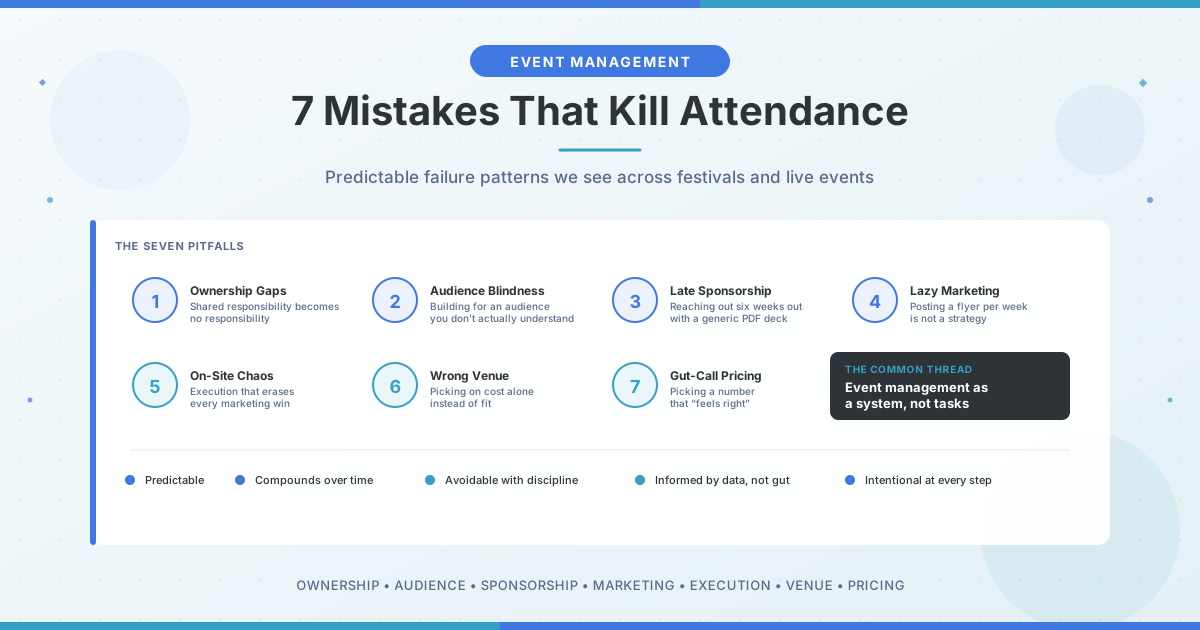
They fail because of predictable mistakes that compound over time. Weak planning leads to rushed execution. Unclear ownership creates gaps. Poor audience research produces marketing that doesn't land. By the time gates open, the damage is already done.
After working with hundreds of festivals, concerts, fairs, and attractions, we've seen the same patterns repeat. These seven mistakes are the ones that hurt most, and they're all avoidable with the right approach.
1. No Clear Ownership or Accountability
Events are complex operations with dozens of moving parts. When no one owns specific outcomes, things fall through the cracks. Marketing assumes operations handled the vendor load-in schedule. Operations assumes marketing coordinated the social media coverage. Everyone assumes someone else is managing the volunteer check-in.
Strong events have clear ownership structures: named individuals responsible for ticketing, sponsorship, production, marketing, and day-of operations. Each owner has authority to make decisions in their domain and accountability for results. Weekly check-ins keep everyone aligned without creating meeting bloat.
The fix isn't more process, it's clarity. Document who owns what, make it visible to the team, and don't let shared responsibility become no responsibility.
2. Building for an Audience You Don't Understand
"If you build it, they will come" is a fantasy. The events that sell out know exactly who they're selling to, not just demographics, but motivations. Why does someone drive two hours to attend your festival instead of staying home? What are they hoping to experience? What would make them tell their friends?
Audience research doesn't require expensive consultants. Start with your existing data: who bought tickets last year, where did they come from, what ticket types sold fastest, what add-ons did they purchase? Survey past attendees. Read social comments. Talk to your most loyal fans.
Build a clear attendee persona (age, location, interests, media habits, price sensitivity) and use it to guide every decision from lineup to marketing channels to merchandise. When you understand what your audience values, you can deliver it consistently. A platform with built-in reporting and attendee data makes this kind of analysis much easier.
3. Treating Sponsorship as an Afterthought
Sponsorship revenue can be the difference between profit and loss, but too many event organizers start the conversation too late with too little to offer. Reaching out six weeks before the event with a generic PDF deck doesn't close deals, it signals desperation.
Strong sponsorship programs start early (six months out for major events) with clear data on audience size, demographics, and engagement. Instead of selling logo placements, sell outcomes: brand activations that create memorable moments, exclusive access that makes sponsors feel special, data capture that drives post-event value.
Think about what your sponsors actually need: awareness, lead generation, product sampling, employee engagement. Build packages around those goals. A beverage company wants cooler placement and sampling rights, not a banner. A local bank wants community visibility and hospitality opportunities, not social media mentions.
4. Inconsistent or Lazy Marketing
Posting a flyer once a week isn't a marketing strategy. It's a to-do list item that makes you feel productive without actually driving ticket sales.
Effective event marketing requires consistency, variety, and timing. Build a content calendar that spans the full sales cycle: announce, build hype, create urgency, drive final conversions. Use different content types (behind-the-scenes videos, artist spotlights, throwback photos, countdown posts) to keep the feed fresh.
Match your channels to your audience. Instagram and TikTok work for younger crowds and visual content. Facebook still drives ticket sales for 35+ demographics. Email is underrated and highly effective for re-engaging past attendees. Reddit and Discord matter for niche communities. Paid ads extend reach but can't replace organic engagement.
The goal isn't posting, it's building anticipation. Every piece of content should answer the question: why should someone care about this event right now?
5. On-Site Execution That Erases the Marketing Wins
You can have perfect marketing and still lose customers forever if the on-site experience is chaotic. Long entry lines, confusing signage, overwhelmed concessions, and poor crowd flow are the top reasons attendees don't come back, and they talk about it publicly.
Plan for the chokepoints before they happen:
- Entry. How many scanners do you need to process your expected arrival rate? What's the backup plan if connectivity fails? Where does will-call go? Tools like the Eventpro App support offline scanning so entry keeps moving even with spotty Wi-Fi.
- Food and beverage. Can your vendors handle peak demand, or will lines stretch for 45 minutes during headliners? Do you have enough points of sale distributed across the venue?
- Restrooms. The standard ratio is one toilet per 75 to 100 attendees for multi-hour events. Understaffed restrooms become a health and satisfaction issue fast.
- Wayfinding. Can attendees find stages, exits, first aid, and amenities without asking staff? Clear signage reduces confusion and frees your team for higher-value tasks.
Walk the site from the attendee's perspective. Where will congestion happen? What questions will people ask? Where will they get frustrated? Fix those problems before gates open.
6. Venue Selection Based on Cost, Not Fit
The cheapest venue is rarely the best value. A site that lacks parking, has poor acoustics, offers no shade, or restricts load-in windows will cost you more in lost sales, bad reviews, and operational headaches than the money you saved on rent.
Evaluate venues against your actual needs:
- Capacity and growth. Does the space fit your expected attendance with room to scale? Cramped venues create safety issues and limit upside.
- Access and parking. How will attendees arrive? Is there enough parking, or will you need shuttles? What about artist and vendor load-in?
- Infrastructure. Is there sufficient power for your production needs? What's the Wi-Fi and cellular situation? Are there existing structures you can use, or do you need to bring everything?
- Weather contingencies. What happens if it rains? Is there covered space? Can the grounds handle mud without becoming a liability?
- Permitting and restrictions. What are the noise curfews, alcohol rules, and insurance requirements? Surprises here can kill your event or your budget.
Visit the site in person. Walk the grounds at the time of day your event will run. Talk to neighbors and local officials. The right venue makes everything easier; the wrong one creates problems you'll spend months trying to solve.
7. Pricing Without Data or Strategy
Pricing is one of the highest-leverage decisions you'll make, and too many event organizers treat it as a gut call. They pick a number that "feels right," launch tickets, and hope for the best.
Smart pricing is built on data:
- Historical performance. What did you charge last year? How fast did tickets sell at each tier? Where did you leave money on the table or price out demand?
- Competitive landscape. What are similar events charging? How does your value proposition compare?
- Cost structure. What's your break-even point? At what price and volume do you hit your margin goals?
- Demand curves. When do your tickets typically sell? Can you use early-bird pricing to accelerate cash flow and create urgency?
Structure pricing to capture the full range of demand. Offer early-bird discounts for price-sensitive buyers who commit early. Create premium tiers for fans willing to pay for better access. Use limited-time offers and inventory messaging ("only 50 VIP tickets remaining") to drive urgency without being manipulative.
Your ticketing platform should give you real-time visibility into sales velocity by tier so you can adjust mid-cycle if something isn't working. If your GA tier sells out in a week while VIP lags, you priced wrong, and you should know that quickly enough to respond.
The Common Thread
These seven mistakes share a root cause: treating event management as a series of tasks rather than a system. The events that succeed treat planning, marketing, sponsorship, operations, and ticketing as interconnected, each decision informed by data and aligned toward the same goal.
You don't need to be perfect. You need to be intentional: clear on who you're serving, disciplined about ownership, honest about what's working, and willing to adapt when the data tells you something unexpected.
Ready to Run a Smarter Event?
Big Tickets helps festivals, fairs, concerts, and live events sell more tickets, streamline operations, and deliver a better attendee experience. No subscriptions, no setup fees.
Request a Demo